
The Psychology of Renting a Ferrari in Dubai: Status, Experience, and Emotional ROI
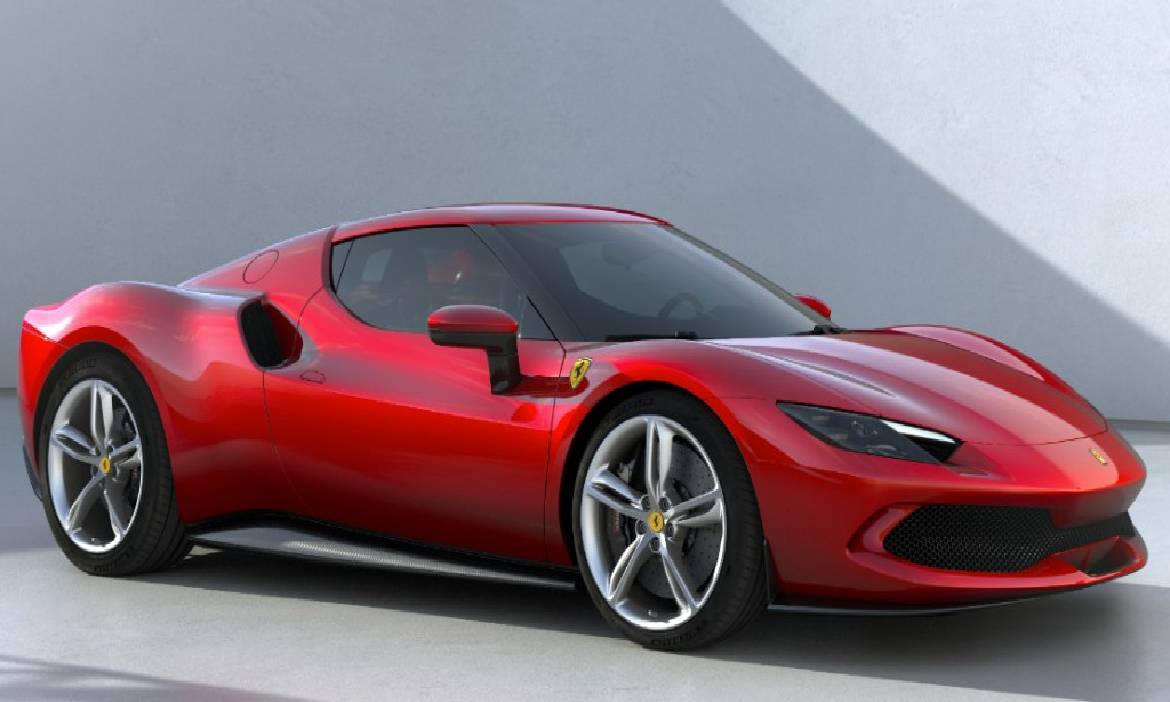
In a city where luxury is not an exception but an expectation, the act of choosing a Ferrari rental Dubai service is rarely about transportation. It is a psychological transaction that combines emotional reward, experiential consumption, and status signalling. The luxury car rental industry in Dubai has developed into a behavioural ecosystem where people rent identity, perception, and transient elevation in addition to Ferraris.
The Experience Economy: Access Is Better Than Ownership
The worldwide movement toward the "experience economy" provides an important viewpoint for understanding why consumers prefer renting Ferrari cars rather than buying them. According to behavioural economics models, consumers today value memorable experiences more than material possessions, especially in high-income, tourism-driven areas like Dubai. A Ferrari becomes less of a commodity and more of a staged experience in this scenario. A multisensory story is created by the engine sound, the sculpted design, and the attention it commands. Many people find renting a Ferrari Dubai appealing since they may turn a lifelong dream into a 24-hour experience without having to deal with the long-term financial burden of ownership. This is especially true in Dubai, where the fleet of luxury rentals has grown significantly, with high-end cars rising by 73% annually, indicating a sharp increase in demand for experiencing travel.
Status Signaling and Conspicuous Consumption
The theory of conspicuous consumerism by Thorstein Veblen is still very relevant. Ferraris in particular are positional goods, which means that their value comes from uniqueness and prominence rather than usefulness.
In Dubai, this dynamic is amplified. The city’s socio-economic fabric normalizes high-end consumption, making a Ferrari car hire Dubai experience less about standing out globally and more about fitting into a localized culture of visible success. As one industry insight suggests, luxury car rentals in Dubai are often driven by “social validation rather than actual driving needs.” Social media intensifies this effect. Platforms like Instagram transform a rented Ferrari into a broadcast tool, extending its symbolic value far beyond the physical experience. The car becomes content, and the renter becomes a curator of aspirational identity.
The Emotional ROI: Beyond Monetary Value
The full value of renting a Ferrari is not captured by conventional ROI models. Rather, we need to think about Emotional Return on Investment (EROI), a system that assesses psychological elevation, memory formation, and contentment. According to research, luxurious experiences can greatly improve mood, lower stress levels, and foster a sense of escape. In Dubai, driving a Ferrari is not only exhilarating but also life-changing. It enables people to briefly live a different version of themselves that is more self-assured, admired, and in line with their ideal selves. In high-stress metropolitan settings, this emotional reward is especially important. Renting a Ferrari turns into a type of "controlled indulgence," a brief break from daily life that has long-term psychological advantages.
Accessibility and the Democratization of Luxury
One of the most intriguing aspects of Dubai’s luxury car ecosystem is the democratization of access. While Ferrari ownership remains exclusive, Ferrari rental Dubai services make the brand accessible to a broader audience. Industry data shows that luxury car bookings have grown by over 30% annually, with a significant portion of rentals now falling into the premium category. This growth reflects a shift from ownership to access-based consumption, a model where individuals can “sample” luxury across different contexts (weekend leisure, business meetings, social events). This accessibility does not dilute the brand’s prestige; rather, it expands its psychological reach. Even short-term renters become participants in the Ferrari narrative, reinforcing its cultural relevance.
Tourism, Temporality, and the “Dubai Effect”
Dubai’s tourism ecosystem plays a pivotal role in shaping the psychology of Ferrari rentals. With over 15–17 million annual visitors, many of whom seek high-end experiences, renting a Ferrari becomes a “bucket-list” activity. Emotional intensity is increased by the temporality of tourism. Travelers are more likely to spend money on experiences that produce enduring memories quickly. A Ferrari ride around Downtown Dubai or along Sheikh Zayed Road is more than simply a ride; it's a carefully thought-out experience designed for social sharing and personal fulfillment.
The Value Paradox: Emotional Gain vs. Reasonable Cost
Renting a Ferrari could seem exorbitant from a financial standpoint. Depending on the model and duration of stay, daily costs may vary from AED 3,000 to AED 5,000. Demand is still increasing, though. This paradox highlights an important insight: customers are not necessarily rational actors. The perceived worth of a Ferrari rental is determined by its symbolic and emotional utility rather than its cost per kilometer. Behaviourally speaking, heuristic status, novelty, and social proof, rather than conventional cost-benefit analysis, drive the choice.
In a City of Possibilities, Renting Identity
Renting a Ferrari in Dubai is ultimately a very psychological choice. It resides at the nexus of status display, experiential consumerism, and emotional fulfillment. A Ferrari is more than simply a means of mobility in a city that values visibility and aspiration; it is a storytelling tool. The times spent together, the perspectives that are shaped, and the identities that are investigated are what truly determine the experience's worth rather than the distance covered. The experience of renting a Ferrari is a powerful reminder in Dubai, where luxury is both available and aspirational: frequently, the significance of a purchase rests not in ownership but in who you become, even if only for a day.