
Seasonality in Dubai’s Luxury Car Rental Market: Peak Demand, Pricing Trends, and Customer Profiles
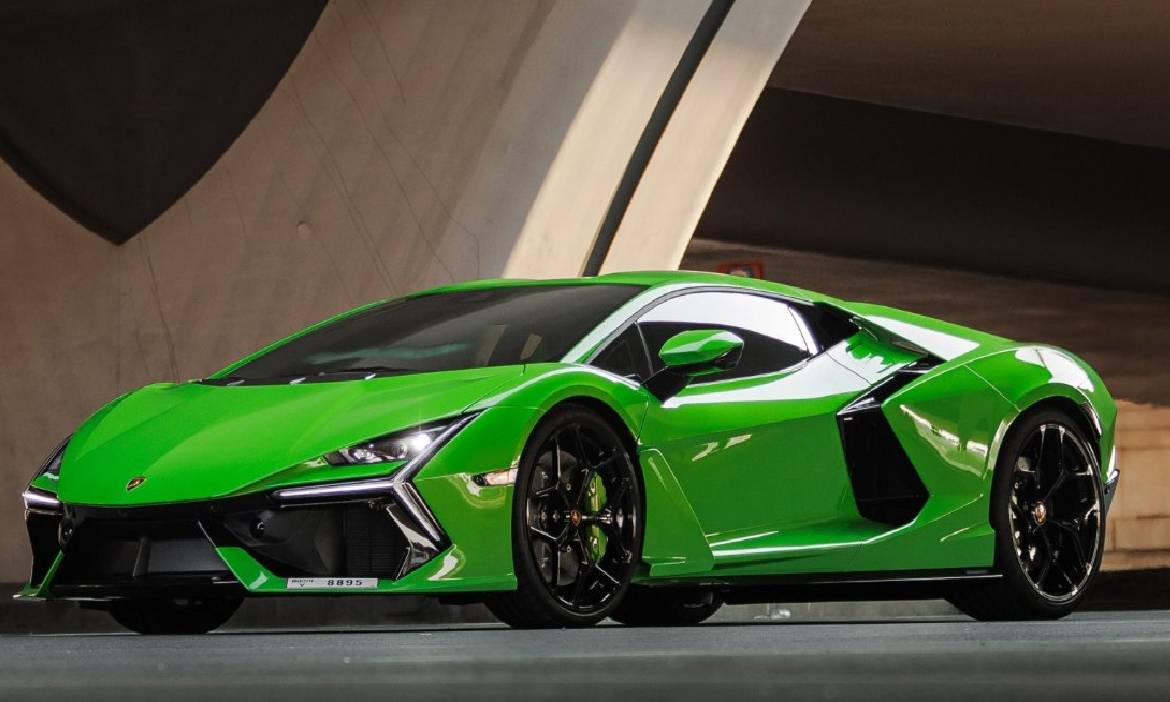
Dubai’s luxury car rental market is not merely a function of wealth; it is a highly seasonal, demand-sensitive ecosystem shaped by tourism cycles, global mobility patterns, and lifestyle consumption. The industry shows a dynamic interplay between demand peaks, pricing elasticity, and changing consumer profiles, from the winter inflow of high-spending tourists to the quiet yet vital summer months. This paper examines how seasonality affects fleet allocation, price structures, and operational strategy in Dubai's booming luxury car rental market.
The Seasonality Curve: The Significance of Demand Peak Times
The rental market in Dubai has a seasonal cycle that is consistent with tourist flows and is commercially significant. Due to pleasant weather, international holidays, and major events like the Dubai Shopping Festival, demand peaks throughout the winter months of November through February. Rental demand spikes at this time, and prices rise by about 25–30% over baseline rates.
This spike is not incidental. Dubai recorded 18.72 million international visitors in 2024, with a large share concentrated in peak months. December alone sees extraordinary traffic, with over 8.7 million airport passengers, translating directly into higher rental bookings. This time frame frequently leads to nearly 100% fleet utilisation for businesses that rent luxury cars, particularly for high-demand models like SUVs and performance cars.
On the other hand, demand is at its lowest throughout the summer (June to August). Extreme temperatures are the most economical time of year for long-term rentals because they lower visitor numbers and result in price reductions of up to 40%. But there are plenty of opportunities during this time of year, since residents and foreigners are switching from short-term tourist rentals to longer-term leases.
Pricing Dynamics: Revenue Optimisation, Scarcity, and Elasticity
Pricing methods in Dubai's luxury rental market are directly impacted by seasonality. Scarcity pricing is predominant during peak times. High-performance car rentals can cost up to AED 7,500 per day, especially for ultra-luxury or exotic cars. Even entry-level premium vehicles command AED 3,500–4,500 per day, reflecting a strong willingness to pay among affluent visitors.
This pricing elasticity is underpinned by behavioral economics. Tourists perceive luxury vehicles not as transport, but as experiential assets extensions of Dubai’s aspirational lifestyle. A Porsche rental or rent Porsche Dubai query, for instance, is often tied to short-term indulgence rather than utility.
Conversely, during off-peak months, firms adopt volume-based strategies. Discounts, extended rental packages, and monthly leasing options dominate. This is particularly evident in segments like hire sedan or mid-tier luxury vehicles, where price sensitivity is higher. Sedans, known for affordability and efficiency, attract a broader customer base and maintain consistent demand even during slower periods.
Vehicle Preferences Across Seasons
Seasonality also dictates the types of vehicles in demand:
Winter (Peak Season)
High-performance sports cars and convertibles dominate. Tourists gravitate toward aspirational models for short durations (3–7 days), including supercars and premium SUVs. The popularity of Ford Mustang car hire reflects this trend, as such vehicles offer both performance and brand appeal at a relatively accessible price point.
Summer (Off-Peak)
Demand shifts toward practicality. Luxury sedans and SUVs are becoming more common and are frequently rented for long stretches of time. These cars serve locals who are more interested in affordability and comfort than in showmanship.
Spring and Autumn Shoulder Seasons
Rental firms can maximise fleet utilisation across categories by balancing resident and visitor preferences thanks to balanced demand.
Due to their adaptability, SUVs continue to dominate the market year-round, while business travellers looking for executive comfort continue to favour luxury sedans.
Client Profiles: Who Is the Demand Generator?
Three main segments comprise Dubai's luxury car rental clientele:
1. International Tourists (High-Impact, Short-Term)
During the busiest times of year, tourists are the most powerful group. Driving a Ferrari, Lamborghini, or Porsche as part of their Dubai itinerary, they are primarily from Europe, the US, and the UK, and are seeking an experience of consumerism. Short lead times and excessive spending are characteristics of their booking behavior.
2. MICE and Business Travelers
Consistent demand is largely attributed to corporate clients. In 2024, Dubai held more than 437 international conferences, drawing CEOs who value high-end mobility solutions. In line with their professional needs, this group frequently chooses long-term rentals or chauffeur-driven sedans.
3. Locals and Foreigners (Stability Segment)
During off-peak hours, the market is supported by both tourists and locals. They usually choose longer rental periods and have a tendency to favour value and practicality. This category also includes lifestyle renters, or individuals who use luxury car rental services for social events, weekends, or status symbolism.
The Strategic Repercussions of Market Expansion
Both seasonally and structurally, Dubai's luxury car rental sector is expanding. The rental fleet reached over 71,000 vehicles in 2024, with a 73% rise in high-end models, demonstrating robust demand growth. The entire market is anticipated to increase at a CAGR of more than 11–13% through 2030, with premium segments propelling this expansion.
Seasonality requires rental companies to employ flexible strategies:
→Dynamic pricing strategies that coincide with demand cycles
→Adding performance cars, sedans, and SUVs to the fleet to diversify it
→Targeted marketing (e.g., long-term sedan deals in the summer versus renting a Porsche Dubai in the winter)
In conclusion
For those who are aware of its subtleties, seasonality in Dubai's luxury car rental industry is a strategic advantage rather than a drawback. While off-peak times provide stability through long-term rentals and resident engagement, peak seasons open up high-margin opportunities driven by tourism and experience demand. The interaction of pricing strategies, client segmentation, and demand cycles will continue to be crucial to the development of the luxury car rental market as Dubai maintains its position as a global center for luxury.