
Is Renting a McLaren in Dubai Worth It? A Cost-to-Experience Analysis
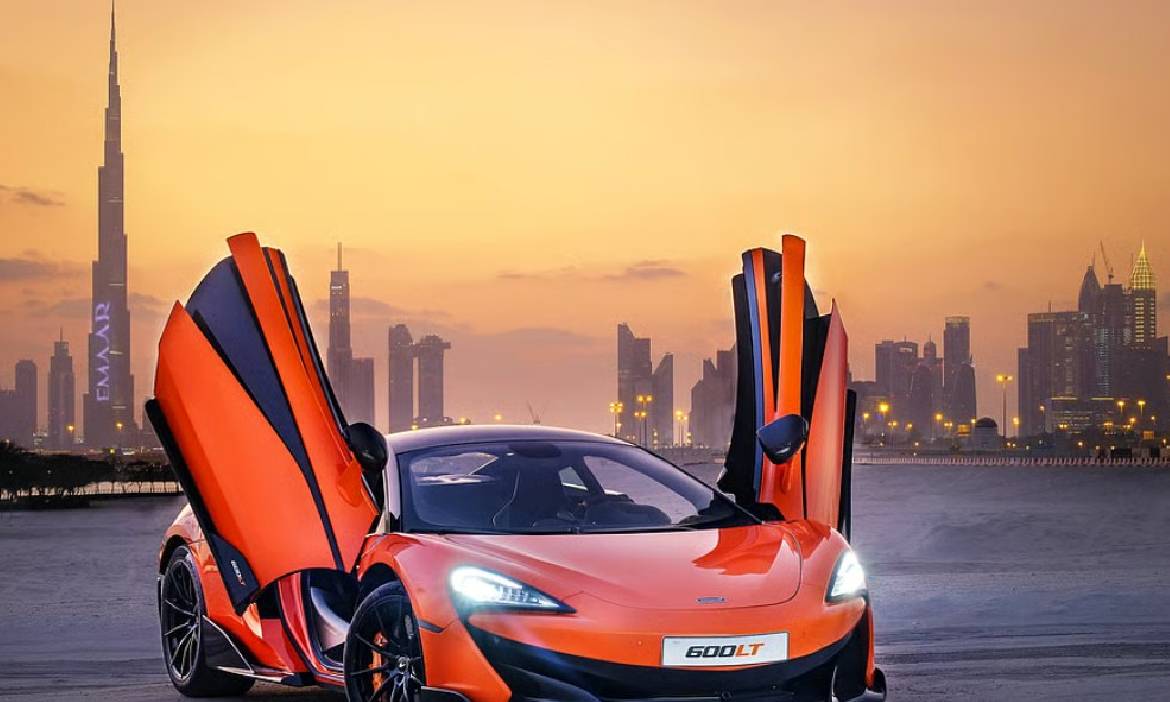
Dubai has created a distinctive economic climate where luxury is performed rather than merely consumed. In this ecosystem, choosing a McLaren rental Dubai experience is more about immersive value than mobility. This essay assesses the economic viability to rent a McLaren in Dubai in light of both material expenses and intangible benefits.
The McLaren Rental's Financial Structure
At first glance, hiring a McLaren car appears to be excessively costly. Daily rental costs can range from AED 3,000 to AED 8,000 or more, depending on the model and time of year. Famous vehicles like the McLaren 720S and Artura, which often cost between AED 4,000 and AED 4,500 a day, are at the top of this group.
The cost structure grows beyond the initial price:
Security Deposits: AED 15,000–35,000
Insurance Excess Liability: Without premium coverage, up to AED 80,000–150,000
Mileage Restrictions: Usually 150–250 km/day
Upgrades to Insurance: Extra daily costs for lower responsibility
From a purely economic standpoint, this pricing model positions McLaren rental as a high-cost, short-duration luxury product. However, renting turns into a flexible, low-commitment option as compared to ownership, where upfront prices approach AED 1 million.
Beyond Utility in Experience Economics
Because they ignore symbolic value, traditional cost-benefit frameworks find it difficult to assess supercar rentals. When it comes to mobility, a rented sedan and a McLaren are equally capable of navigating Dubai. Experience amplification is where the difference is found.
Economists might characterize Dubai's infrastructure-wide roadways, picturesque boulevards, and architecturally renowned areas as a high-visibility consuming environment. In keeping with the city's premium narrative, driving a McLaren turns everyday travel into a performance.
As one Reddit user succinctly noted:
“You get to experience the city differently.”
This aligns with behavioral consumption theory: consumers are not paying for distance, but for status signaling, emotional gratification, and memory creation. The same logic underpins demand for hire McLaren services, particularly among tourists seeking short-term indulgence.
Market Context: Why Demand Persists
The ongoing demand for McLaren rentals is structural rather than anecdotal. With a 73% yearly rise in high-end models, Dubai's rental fleet reached over 71,000 vehicles in 2024. This growth reflects a broader shift: instead of being a specialist product, luxury car rentals are now a widespread lifestyle choice.
Among the key elements affecting demand are:
1. Tourism-Driven Consumption
Every year, millions of wealthy tourists travel to Dubai. Similar to a good dining or luxury hotel, renting a McLaren in Dubai is often included in trip packages.
2. Social Media Capital
Supercars are graphic assets in the digital economy. Renting a McLaren enhances one's reputation, particularly with business owners and influencers.
3. Utility Based on Occasions
The expense is justified by occasions like weddings, business meetings, and milestone celebrations. The rental becomes a component of a larger experiencing expense in these situations.
Comparative Value: McLaren vs Alternatives
To determine whether renting a McLaren is “worth it,” it must be evaluated relative to alternatives within Dubai’s luxury car rental ecosystem.
McLaren vs Performance Alternatives
While McLaren delivers track-level engineering and exclusivity, more accessible options like Ford Mustang car hire provide strong performance at a fraction of the cost. The Mustang captures aspirational value without the financial exposure associated with supercars.
McLaren vs Practical Vehicles
From a utility perspective, hire sedan services dominate. Sedans' comfort, efficiency, and long-term affordability make them a reasonable choice for business or extended visits.
Supercars: Others vs. McLaren
Unlike Lamborghini or Ferrari, McLaren appeals to a niche demographic that prioritises technical precision over flair. Pricing is often comparable, despite differences in brand perception; McLaren is often seen as more subtle but technically superior.
The Experience's Hidden Costs
Despite the strong advantages, the value proposition is complicated by several trade-offs:
High risk to finances
Significant deposits and insurance obligations
Restricted usability
Long-distance travel is limited by mileage constraints.
Reduced marginal returns
Over time, frequent rents can outweigh the cost of ownership. Additionally, Dubai’s saturation of luxury vehicles reduces exclusivity. Unlike other global cities, where a supercar is rare, in Dubai, it is relatively commonplace, potentially diluting perceived value.
So, Is It Worth It?
The answer depends on the user’s objective:
Utility-driven consumers
No. A McLaren is economically inefficient compared to hire sedan or mid-tier performance options.
Experience-driven users
Yes. The emotional and symbolic returns justify the cost for short-term use.
Frequent renters
Uncertain. Repeated usage may shift the balance toward ownership or alternative luxury vehicles.
In the end, renting a McLaren in Dubai is an investment in lifestyle more than a commercial choice. It provides a brief immersion into Dubai's ostentatiously wealthy culture, where the journey is just as significant as the destination.
In Conclusion
In Dubai, renting a McLaren sits at the nexus of emotion and economy. The experiential return, which is influenced by one's surroundings, perspective, and aspirations, can be just as significant as the financial cost. Compared to practical options like hiring a sedan or even aspirational yet accessible choices such as McLaren car hire, it stands apart as a purely experiential asset. In the final analysis, its worth cannot be measured solely in dirhams but in the intensity of the experience it delivers.