
Desert Drives & Dune Safety: Expert Tips for Supercar & SUV Rental Adventures Outside Dubai
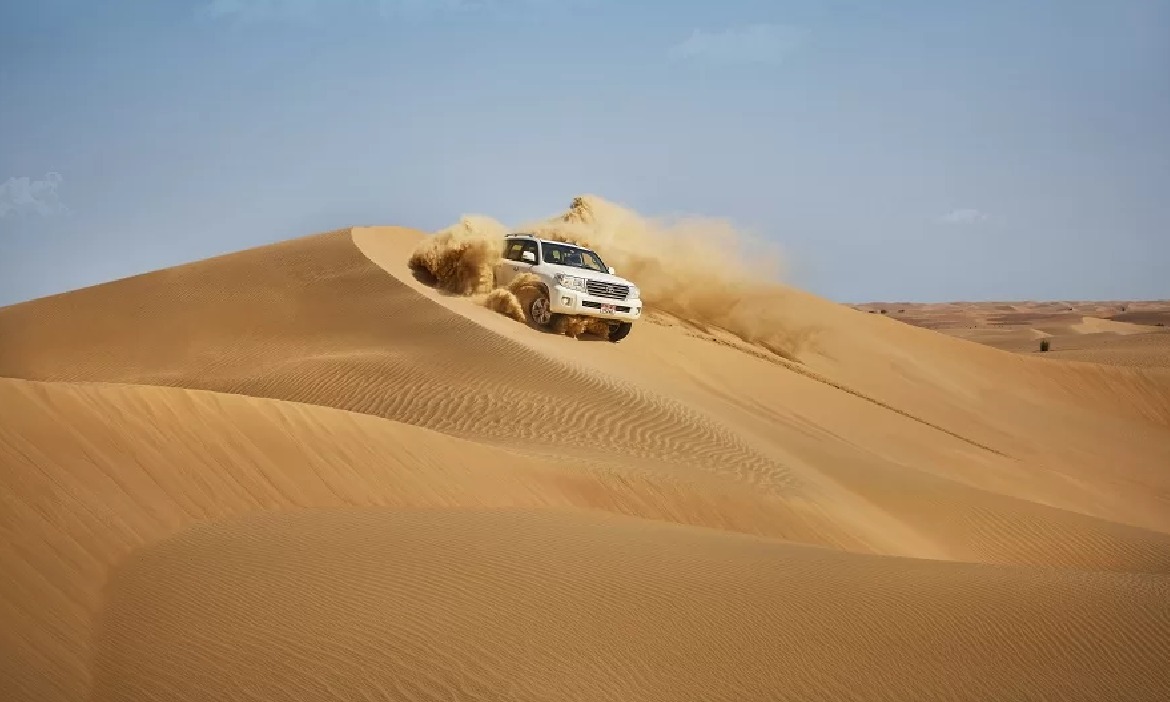
Many drivers regard the desert surrounding Dubai as a simple extension of the city, particularly those travelling through luxury car rental Dubai arrangements. The route appears straightforward: head toward the dunes, ease into the drive, and expect conditions to remain manageable. That expectation often fades quickly once the sand begins to shift and temperatures rise.
Most desert-related issues are not the result of excessive speed or aggression. They stem from underestimating the environment. Sand alters vehicle response, heat accumulates faster than anticipated, and minor misjudgements can escalate into delays.
At House of Luxury Dubai, desert driving has never been treated as a secondary experience. It is approached with preparation and respect, because a clear understanding of desert conditions leads to controlled outcomes. Without that understanding, the environment dictates the result.
Why Doesn’t Road Driving Logic Work In The Desert?
Urban and highway driving logic does not translate to sand. Desert terrain introduces three destabilizing factors simultaneously: low surface friction, variable load resistance, and extreme thermal stress. Together, they alter braking distance, steering response, and drivetrain behavior.
Industry recovery data across the UAE shows that the majority of desert immobilizations occur within the first hour of entry. This indicates that failures happen early, before drivers adapt their driving strategy to sand conditions. The issue is not confidence, it is incorrect assumptions about vehicle behavior.
How Do Desert Conditions Expose The Limits Of Vehicle Capability?
Many drivers assume that a large SUV or a premium vehicle is automatically suitable for desert driving. In practice, that is rarely the case. Desert performance depends on how the vehicle delivers power, manages heat, and maintains clearance over uneven terrain.
Vehicles designed with proper four-wheel drive and low-range gearing provide noticeably better stability and control than standard all-wheel-drive systems. This difference becomes especially clear on dune climbs and during recovery situations, where traction and torque management matter most. This distinction is not always obvious. Two vehicles may appear similar in size and status, yet respond very differently once tire pressure is lowered and the resistance of sand comes into play.
Why Does Tire Pressure Matter More In The Desert Than On The Road?
Tire pressure is the single most influential controllable variable in desert driving. Standard road pressure reduces tire footprint, increasing the likelihood of sand penetration and loss of momentum.
Operational desert pressure typically falls between 14 and 18 PSI, depending on vehicle weight and tire construction. This adjustment increases surface contact area and reduces rolling resistance in soft sand. Failure to adjust pressure is a primary cause of vehicles becoming stuck, regardless of engine power. Equally important is reinflation. Driving on tarmac with deflated tires introduces structural risk and compromises vehicle safety systems.
How Does Desert Heat Change The Way Vehicles Perform?
Desert environments impose continuous thermal stress on engines, transmissions, and braking systems. In low-speed, high-resistance conditions such as dune climbing, cooling systems operate at peak load for extended periods.
Luxury and performance vehicles, particularly those with turbocharged engines often selected through luxury car hire Dubai, are sensitive to sustained heat accumulation. Overheating incidents are rarely sudden; they are the result of cumulative stress without sufficient airflow or cooldown intervals. This is why desert driving requires pacing. Continuous aggressive driving increases mechanical risk without improving overall progress.
Why Is Vehicle Recovery A Normal Part Of Desert Driving?
Even experienced drivers encounter sand traps. The difference between a controlled recovery and a costly incident lies in preparedness. Basic recovery equipment traction boards, rated tow straps, deflation tools, and sufficient water is not optional. Professional desert recovery services are widely available, but their necessity often indicates a preventable planning failure. From a risk management standpoint, recovery readiness is part of the cost of desert access, not an emergency contingency.
How Should Driving Technique Change On Sand And Dunes?
Desert driving rewards consistency, not power. Abrupt steering inputs, sudden braking, or excessive throttle application destabilize traction and increase the likelihood of digging into sand.
Maintaining steady momentum, choosing correct approach angles on dunes, and controlling descents using engine braking are foundational techniques. These are not advanced skills; they are baseline operational requirements. Stopping positions also matter. Parking on an incline or in soft sand without planning the exit path often creates avoidable recovery situations.
Why Does Responsible Desert Driving Affect Everyone?
The desert is a regulated and fragile environment. Driving outside established tracks, damaging vegetation, or leaving waste is not only irresponsible but increasingly monitored. Operational discipline protects access. Poor behavior leads to restrictions that affect all drivers, regardless of experience or vehicle quality.
How Does House Of Luxury Dubai Approach Desert Driving Differently?
At House of Luxury Dubai, desert driving is never treated as a spontaneous add-on. It’s a deliberate extension of how luxury mobility should work outside the city, controlled, prepared, and based on real conditions, not brochure promises. Vehicle choice, maintenance standards, insurance clarity, and client guidance all exist for one reason: the desert does not reward improvisation.
The aim isn’t to chase risk, it's to remove uncertainty before it shows up on the sand. When the right assumptions are made, the right equipment is in place, and the right habits are followed, desert driving stops being unpredictable.
Driving outside Dubai isn’t dangerous by default, but it is intolerant of complacency. The desert won’t adjust to the driver’s expectations. The driver has to adjust to the desert. Once that reality is understood, outcomes change not by lowering ambition, but by matching expectations to how the environment actually works.